Industry Knowledge
Knowledge
Expert insights on clean energy, smart infrastructure, IoT, and industry trends
 technical article
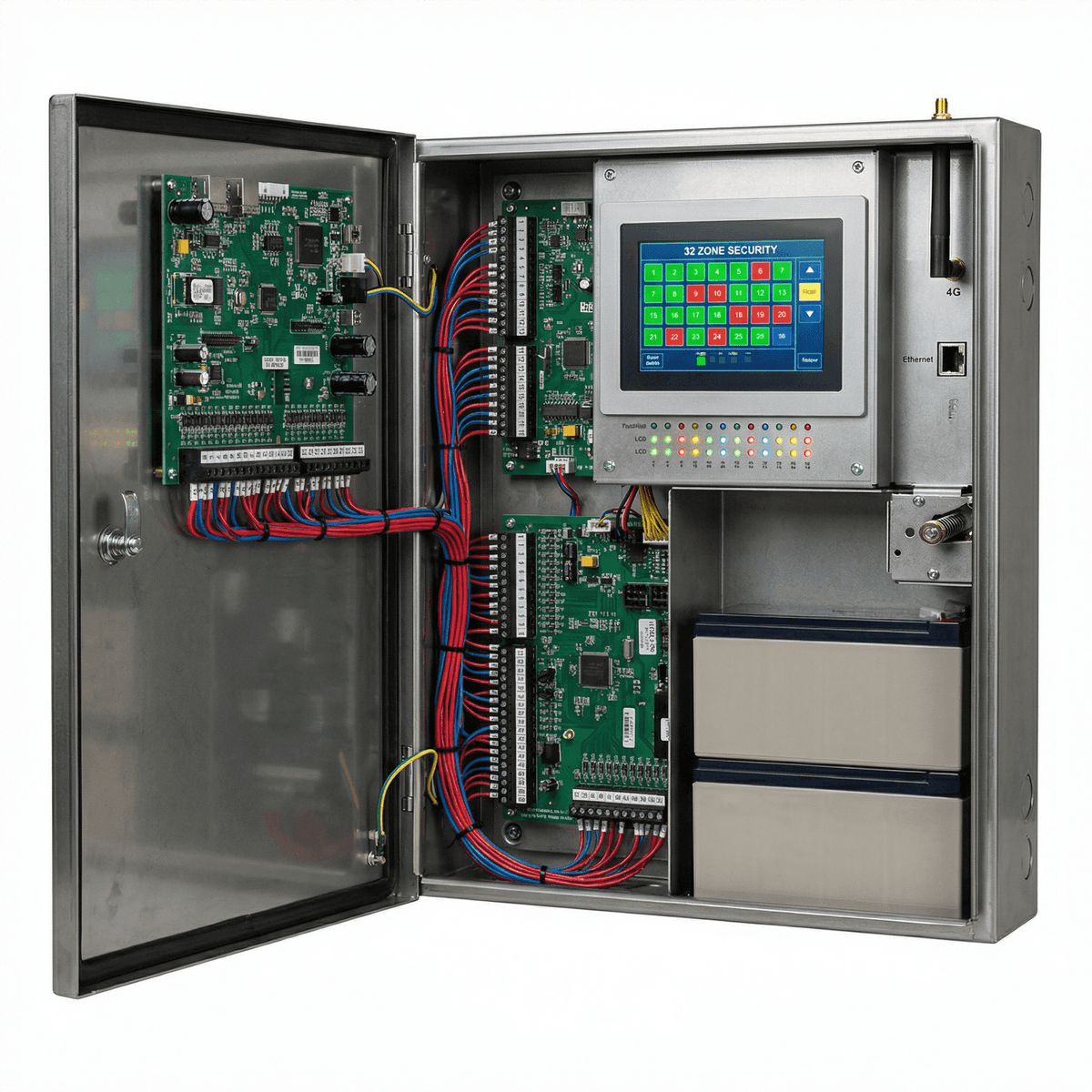
Solar-Powered Security Systems for Remote Facilities
Solar-powered security systems keep remote facilities protected with 24/7 surveillance, 4G/cloud backup, and 2-5 days of battery autonomy. A 32-zone design can support 16 cameras and 32 detectors, while EPC turnkey budgets often range from USD 7,100-9,200.
 SOLARTODO Editorial Team
 technical article
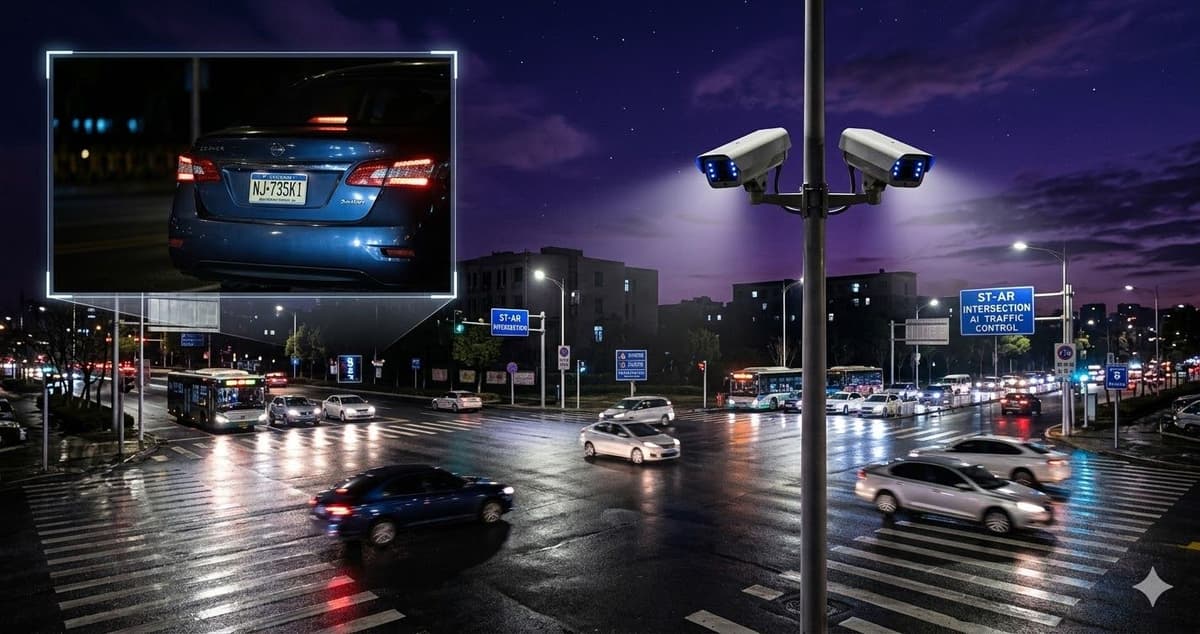
Smart Traffic 5‑Year TCO: BOT vs EPC vs Joint Venture
5‑year smart traffic TCO per intersection ranges from $0 capex under BOT to $25k–$40k under EPC, with 20–40% higher violation capture and 10–30% travel‑time cuts. This article compares BOT, EPC, and Joint Venture models on cost, risk, and ROI for 50–500‑intersection deployments.
SOLARTODO Editorial Team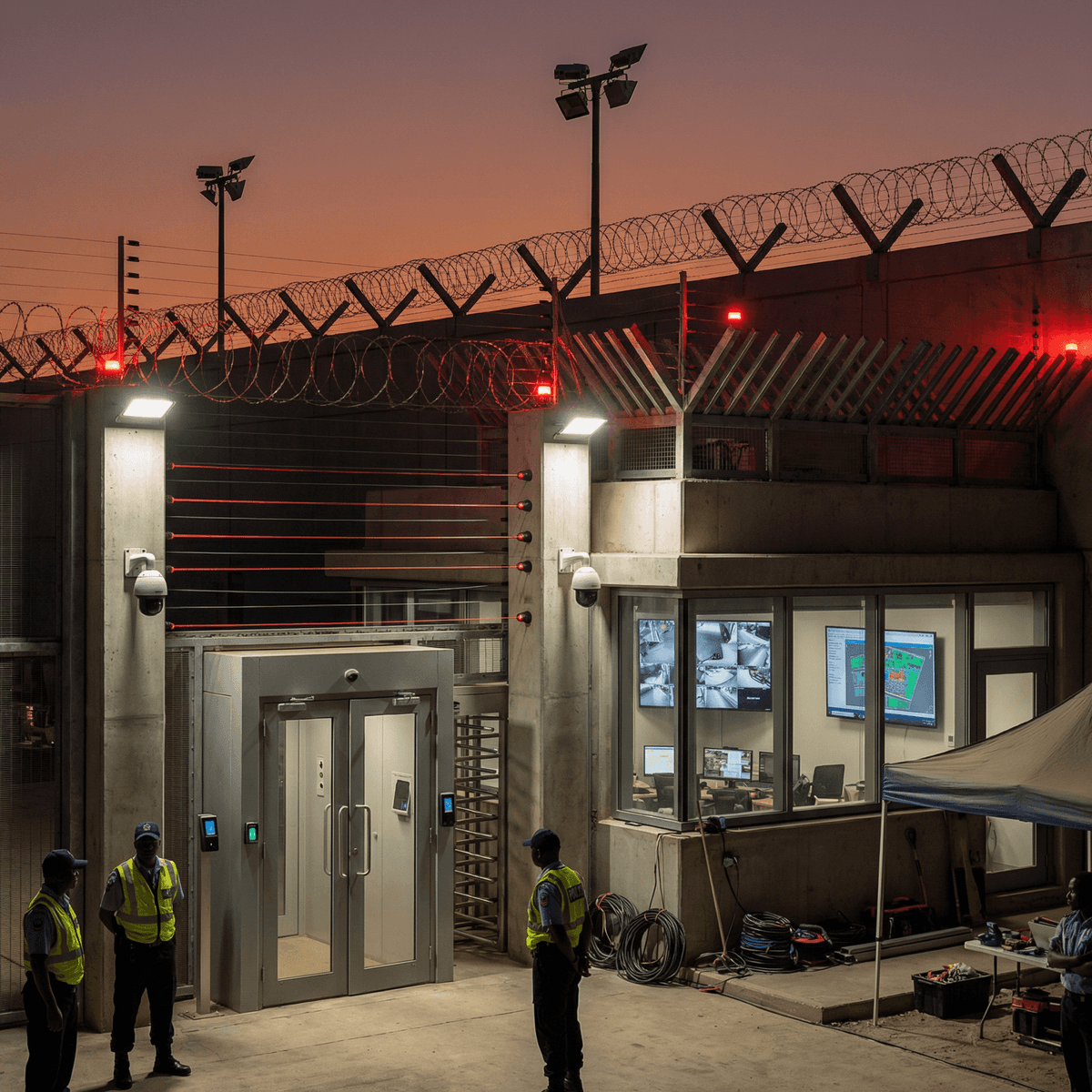 technical article
Engineering Solar-Powered Security Systems for solar…
Solar-powered security systems for solar farms combine off-grid power, on-device AI, and layered intrusion detection to protect 10-200 hectare sites with 24/7 coverage. A typical design uses 8-32 cameras, cuts nuisance alarms by up to 90%, and can reduce guard labor by 30-60%.
SOLARTODO Editorial Team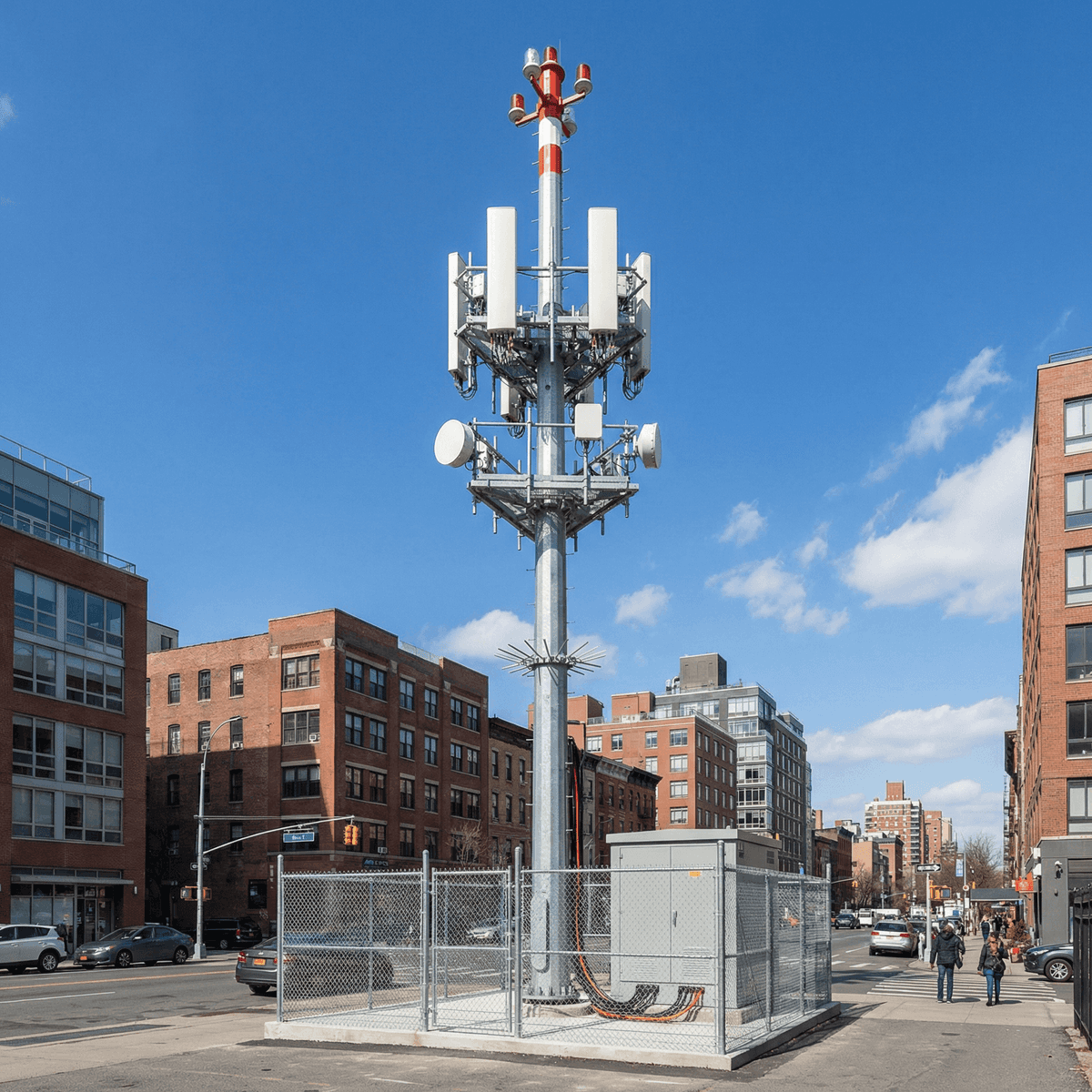 technical article
fuel savings vs Alternatives: Telecom Tower Power…
Emergency telecom sites can cut fuel use by 50-90% by shifting from diesel-only power to hybrid solar-battery systems, while 40 m monopoles and 12 m shared poles support compact deployment. For outages lasting 24-72 hours, correct sizing reduces refueling trips, OPEX, and restart risk.
SOLARTODO Editorial Team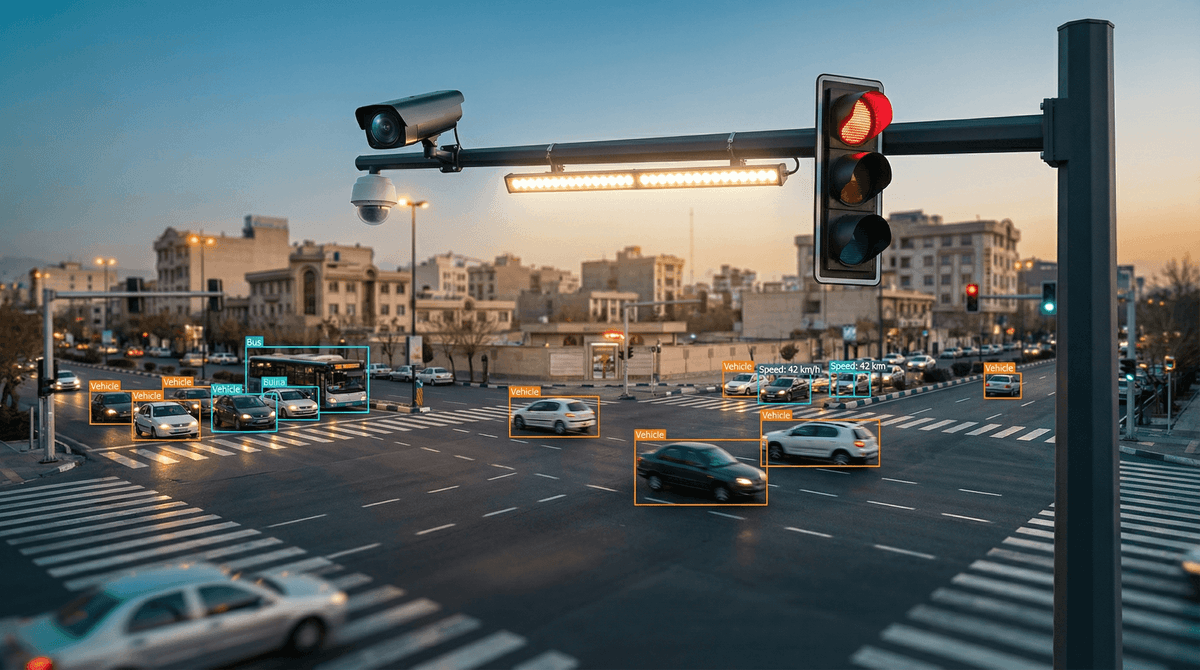 technical article
AI Traffic Signal Optimization for Safety and Emissions
AI multi-objective traffic signal optimization can cut travel time by 10-30%, reduce corridor stops by up to 40%, and lower emissions by about 20% by balancing delay, safety conflicts, and idling in one adaptive control model.
SOLARTODO Editorial Team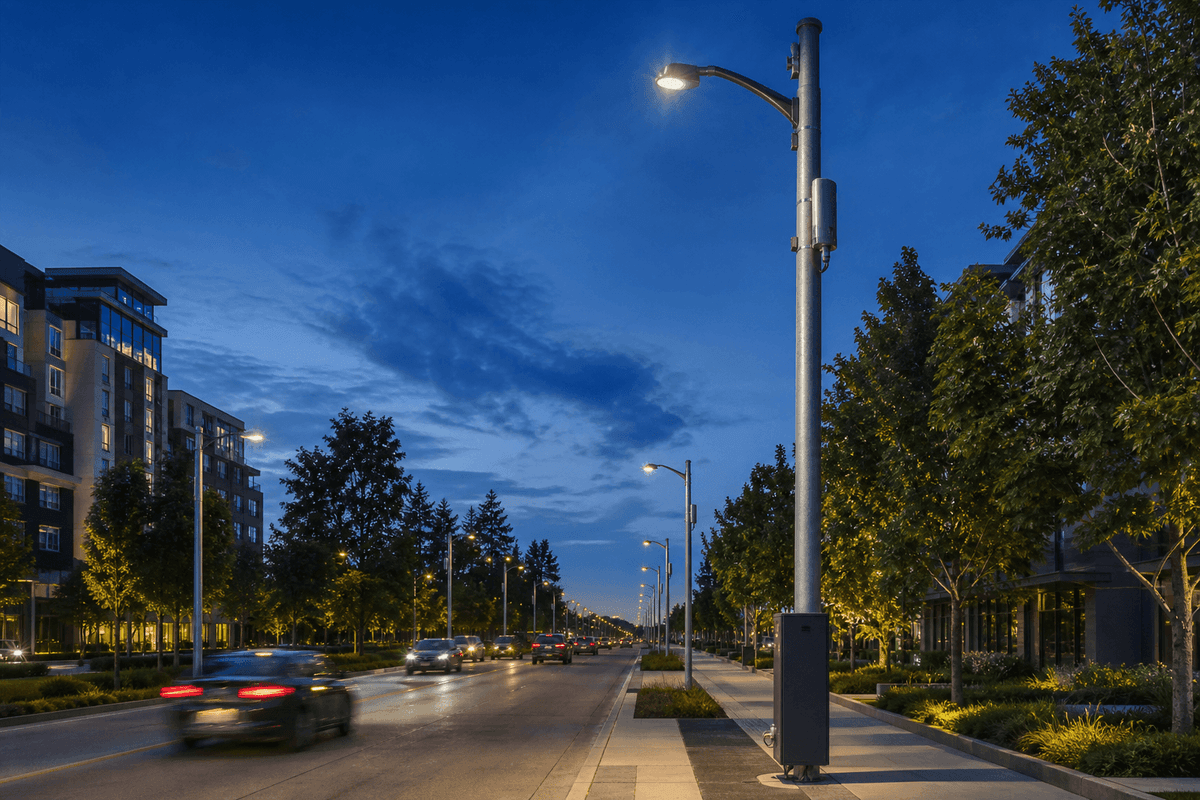 technical article
Smart Streetlight 5G Small Cell Integration: Deployment…
Smart streetlight 5G small cell integration combines 6-10 m steel poles, 120 W LED lighting, fiber backhaul, and 35 m/s wind design to reduce duplicate foundations, accelerate densification, and support 50-200 m urban coverage zones.
Cinn Song