Industry Knowledge
Knowledge
Expert insights on clean energy, smart infrastructure, IoT, and industry trends
 technical article
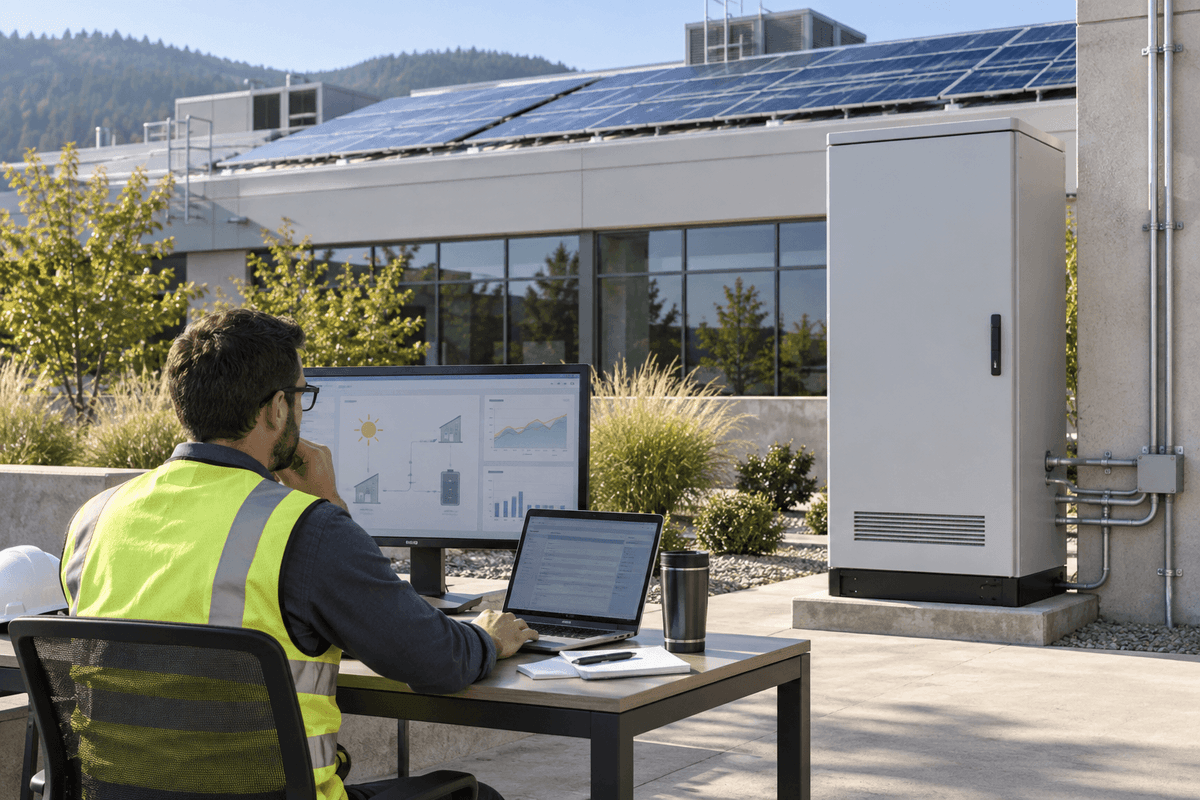
What PV bidder evidence should show whether REopt battery…
Request direct SAM evidence that REopt ran successfully, replaced Desired bank capacity and Desired bank power, and changed dispatch to input battery power targets or PVWatts Custom dispatch with populated hourly battery targets.
 Cinn Song
 technical article
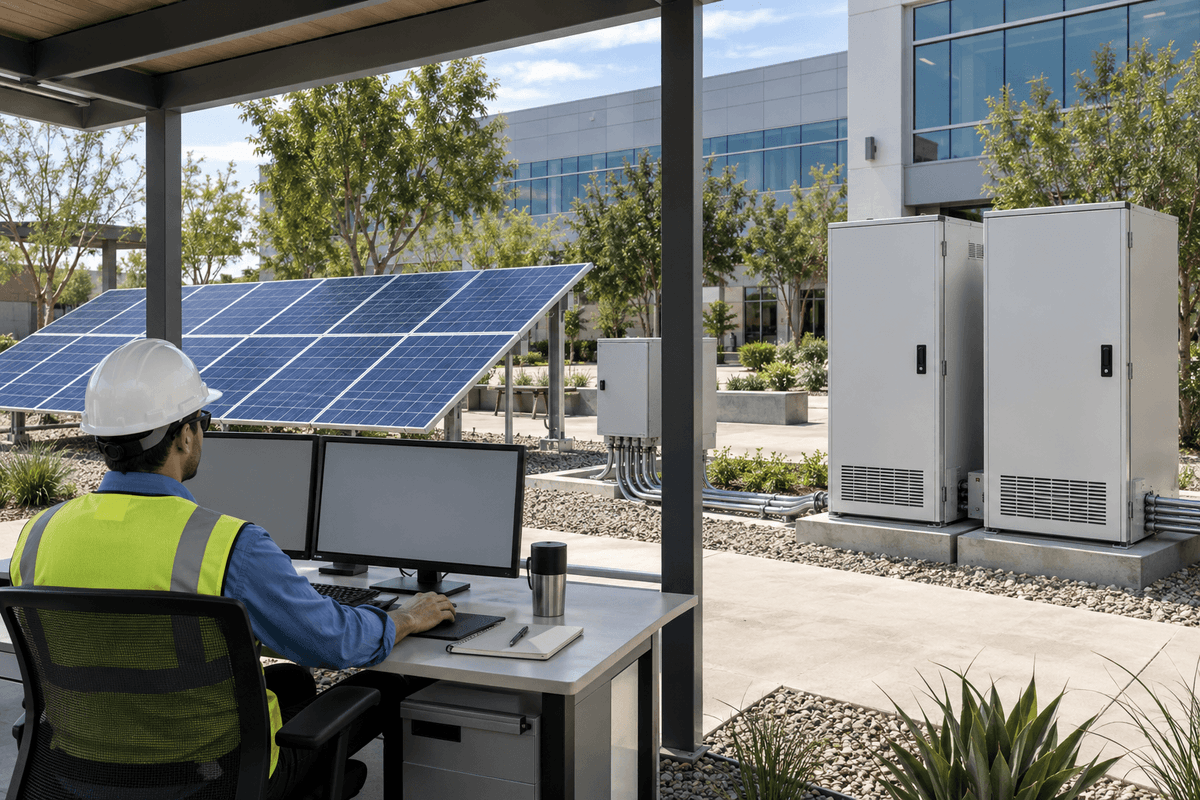
Cross-Check PVWatts V8 Assumptions Against SAM Battery Setup
Use a PV-to-battery traceability table: PVWatts V8 should document PV assumptions and outputs, while SAM should document the battery configuration, financial model, and dispatch method. If the coupling between them is not explicit, compatibility is unknown.
Cinn Song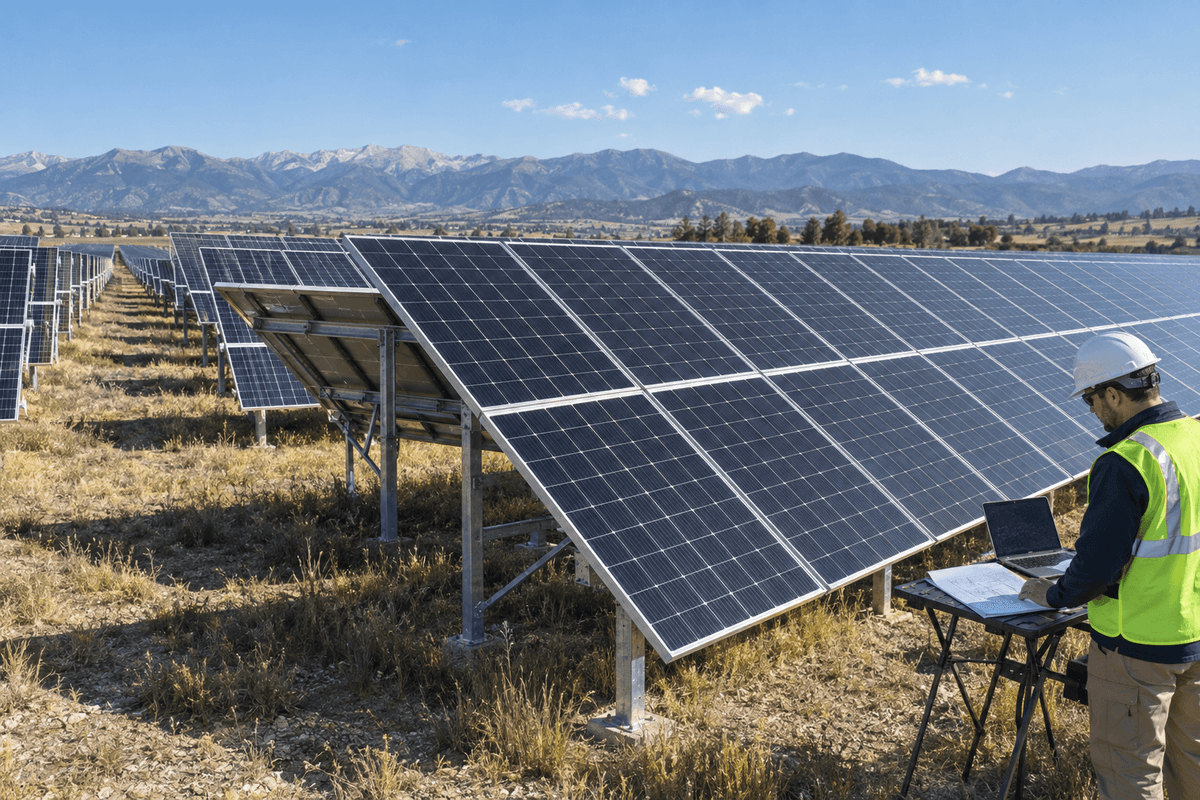 technical article
Acceptance Check for Detailed PV Geometry and Thermal Inputs
The acceptance check should verify that Module page geometry and thermal inputs match the same physical array described on the System Design and Shading/Layout pages. If rows, columns, mounting, GCR, clearance, or bifacial inputs conflict, the model should be held until corrected.
Cinn Song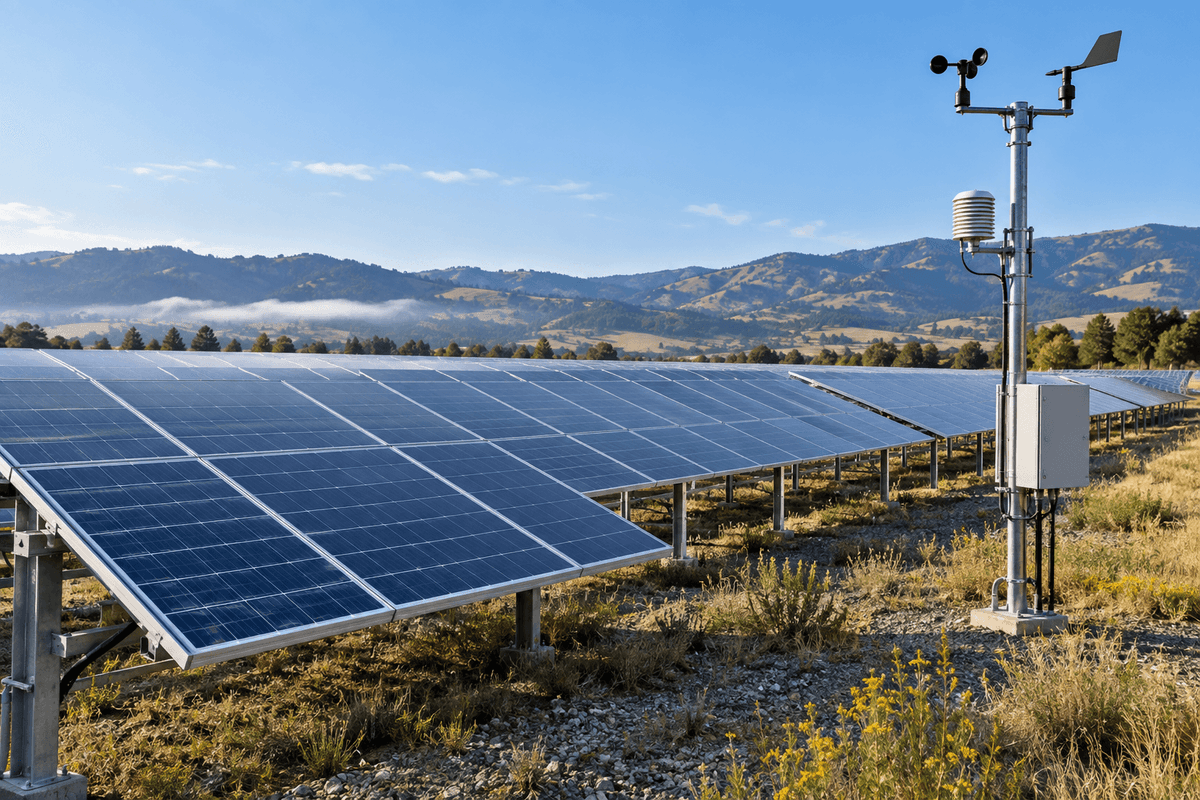 technical article
What evidence should bidders provide when a PVWatts run…
For a PVWatts V8 run based on a Solar Dataset Query file identifier, bidders should provide the query response that produced the identifier, the PVWatts request using that file_id, and the PVWatts station_info and output fields that confirm which weather data was used.
Cinn Song technical article
Startup, Commissioning and Acceptance in Lighting Controls…
Separate startup, commissioning, and acceptance so a multi-vendor street lighting controls tender can distinguish activation, integrated verification, and the buyer’s final contractual decision. DOE’s V2.0 model specification supports separating startup and commissioning and structuring bids around central management systems, backhaul communication networks, and field devices.
Cinn Song technical article
Record PV Assumptions Before Comparing Energy Estimates
Compare PV energy estimates only after recording the module, array, weather, inverter, bifacial, albedo, soiling, shading, snow, and availability assumptions used in the model.
Cinn Song