Industry Knowledge
Knowledge
Expert insights on clean energy, smart infrastructure, IoT, and industry trends
 technical article
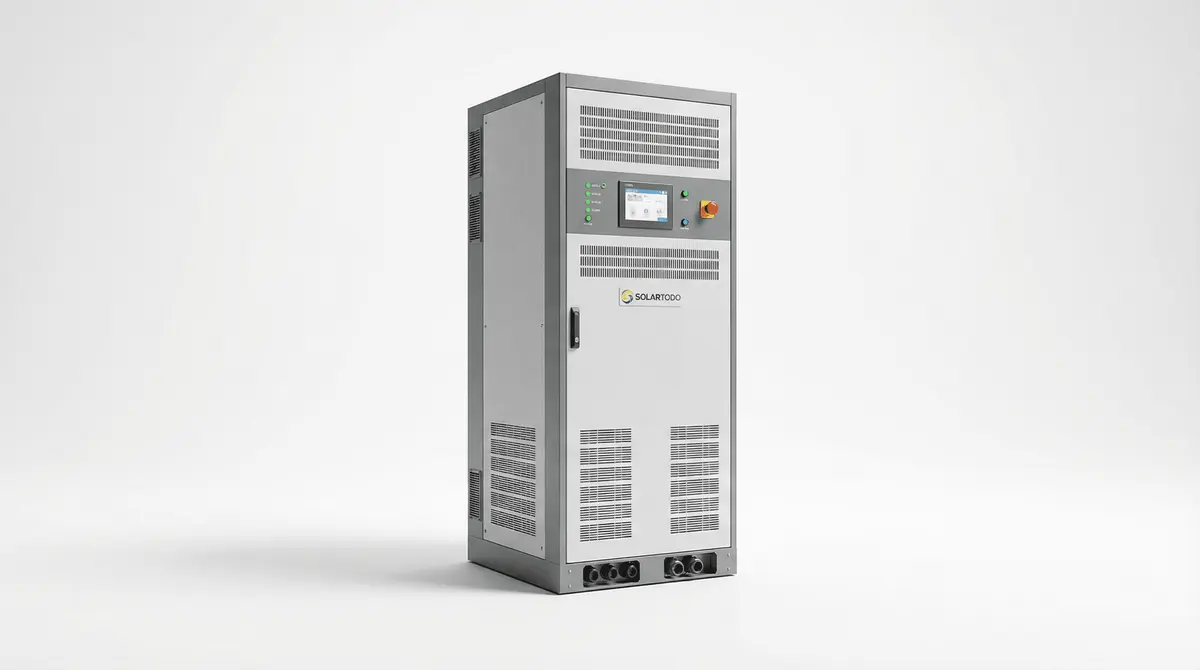
Designing LFP Battery Energy Storage Systems: backup power…
LFP battery energy storage systems for backup power typically target <10 ms transfer support, 90% depth of discharge, and 6,000+ cycles; good passive thermal design can cut auxiliary cooling energy by 10-25% while improving safety margins and uptime.
 SOLARTODO Editorial Team
 technical article
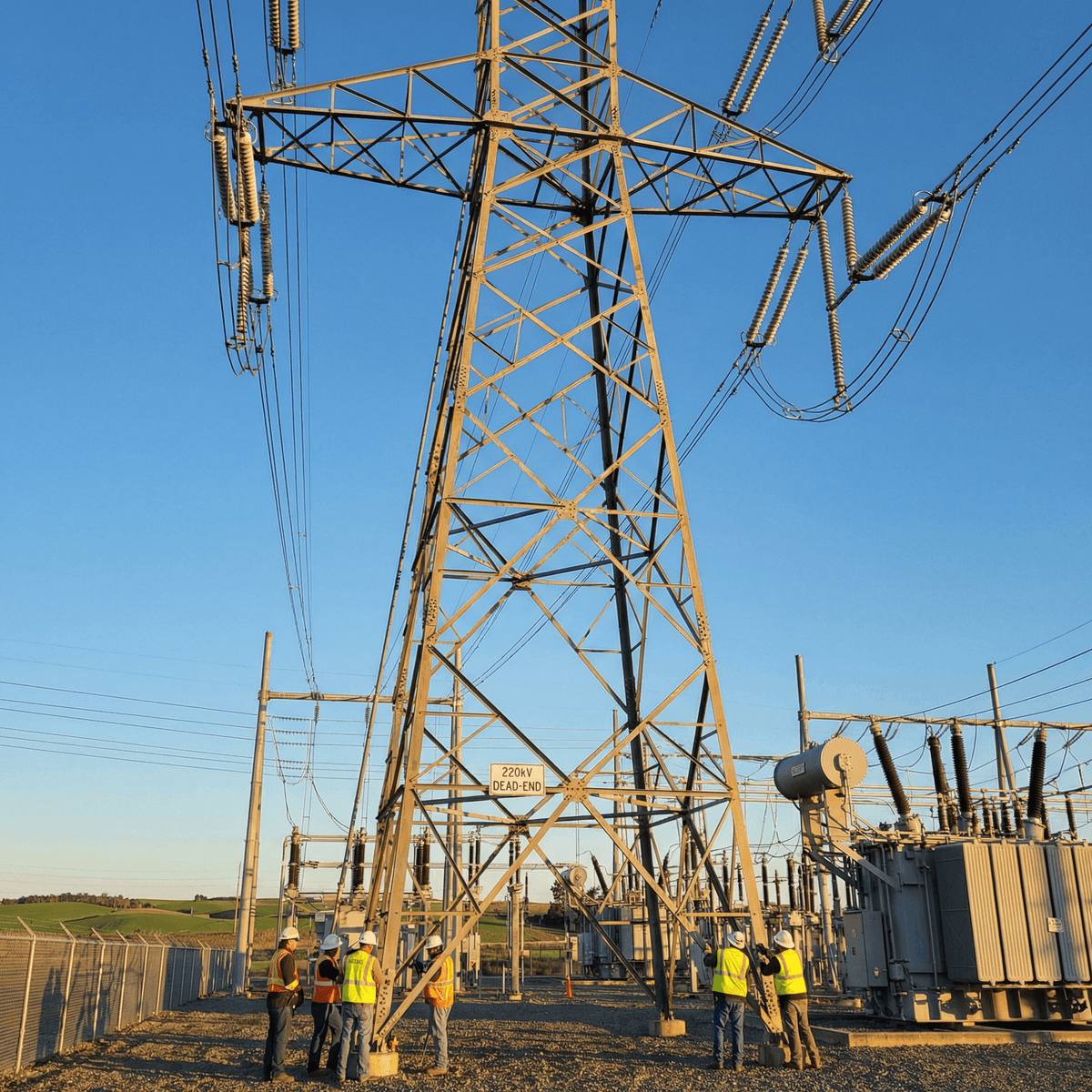
Substation Access Solutions with Power Transmission Towers
Substation connection maintenance is hardest where land, outage time, and safety clearances are limited; compact steel poles can reduce footprint by 40%-75%, shorten erection by 20%-40%, and deliver 50-year service life for 10kV-220kV networks.
SOLARTODO Editorial Team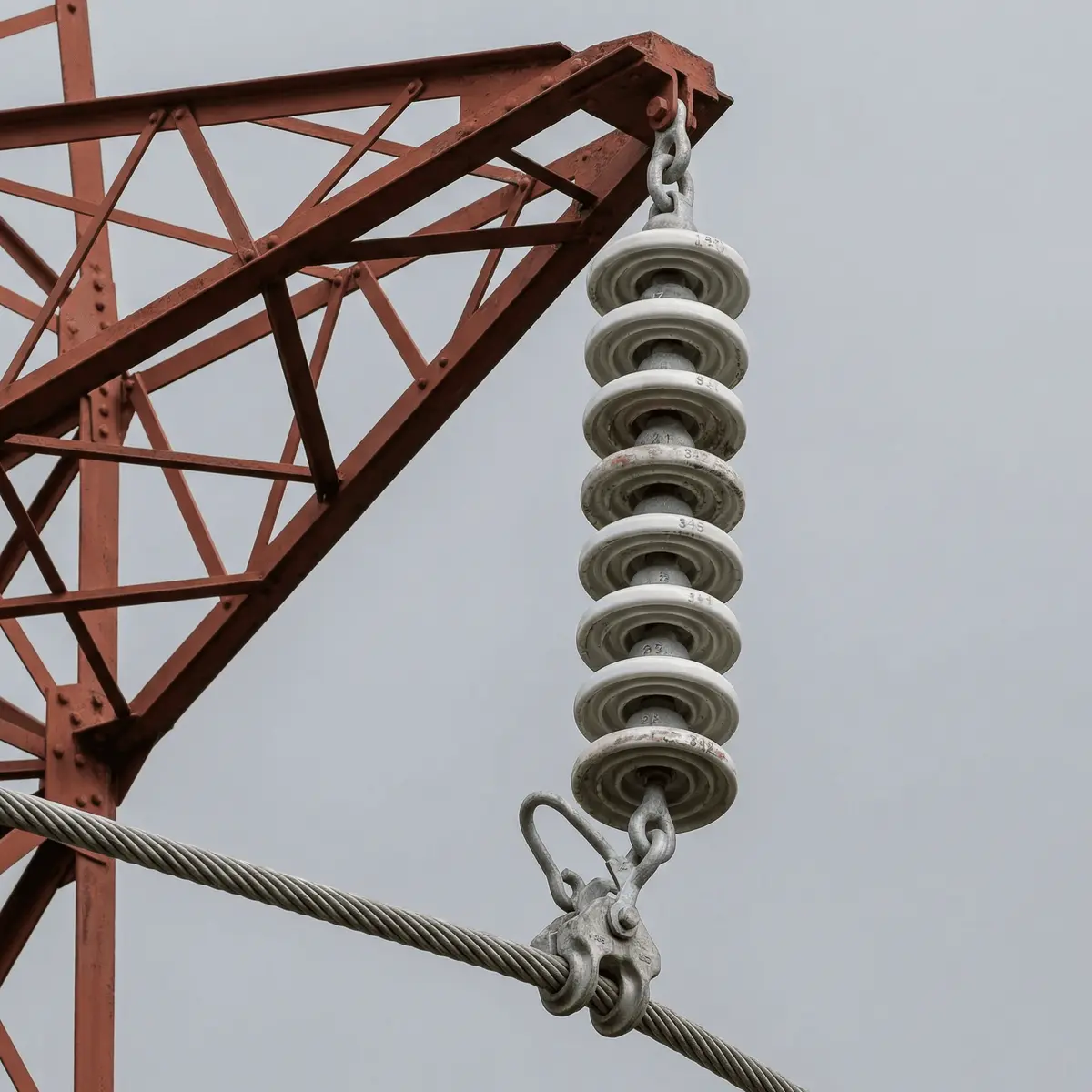 technical article
Urban Tower Corrosion Protection & Height Optimization
Urban corridor tower optimization balances corrosion protection, clearance, and footprint: galvanized monopoles typically target 50-year design life, cut occupied ground area by 40% to 75% versus lattice structures, and often use 18m, 35m, or 40m classes for 10kV to 220kV networks.
SOLARTODO Editorial Team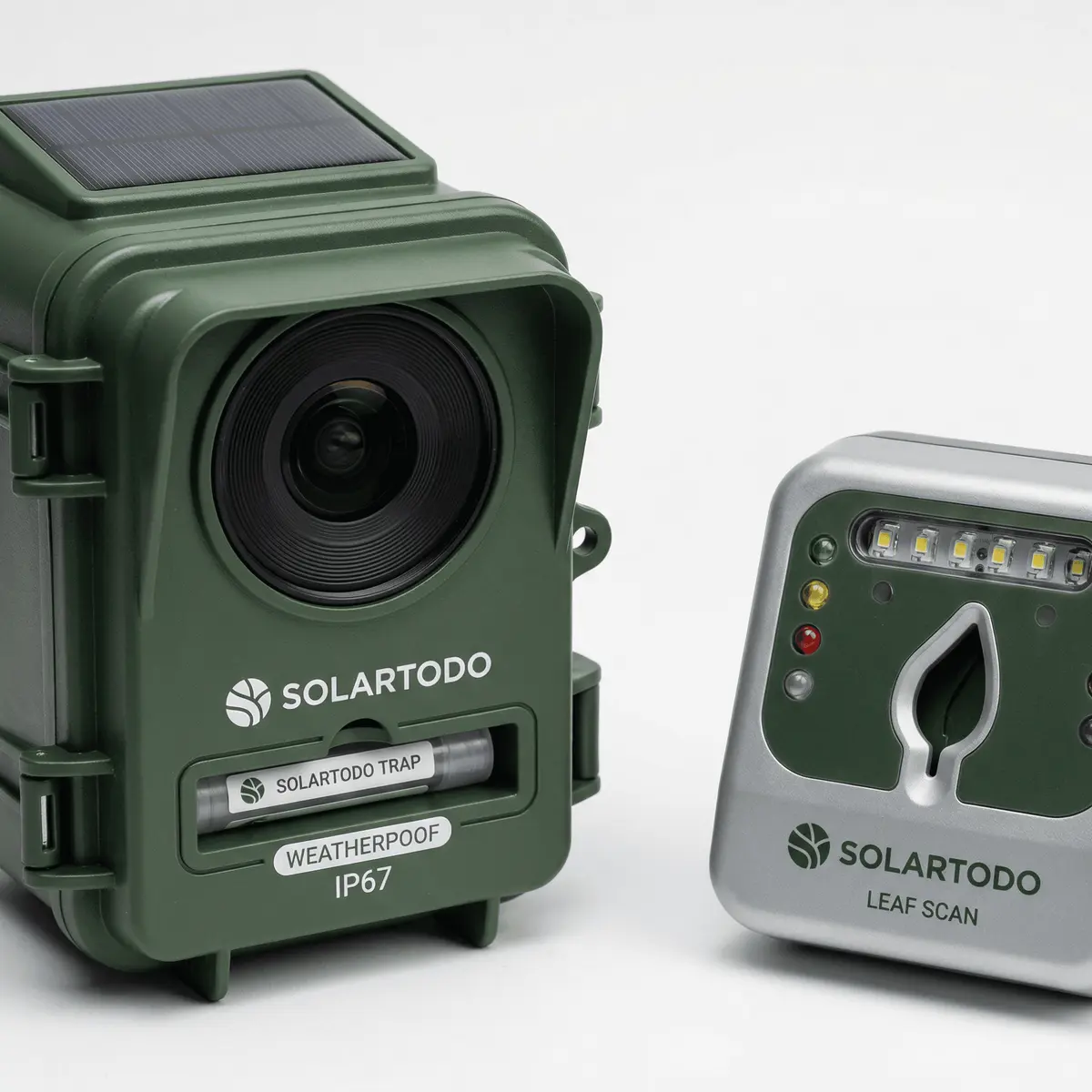 technical article
Smart Irrigation System ROI Report 2026: Water Savings…
Smart irrigation in Latin America cuts agricultural water use by 20-50%, lowers pumping energy by 15-30%, and typically reaches payback in 2-5 years in high-value crops such as fruit, citrus, tea, and export horticulture, based on 2024-2026 regional and global datasets.
SOLARTODO Editorial Team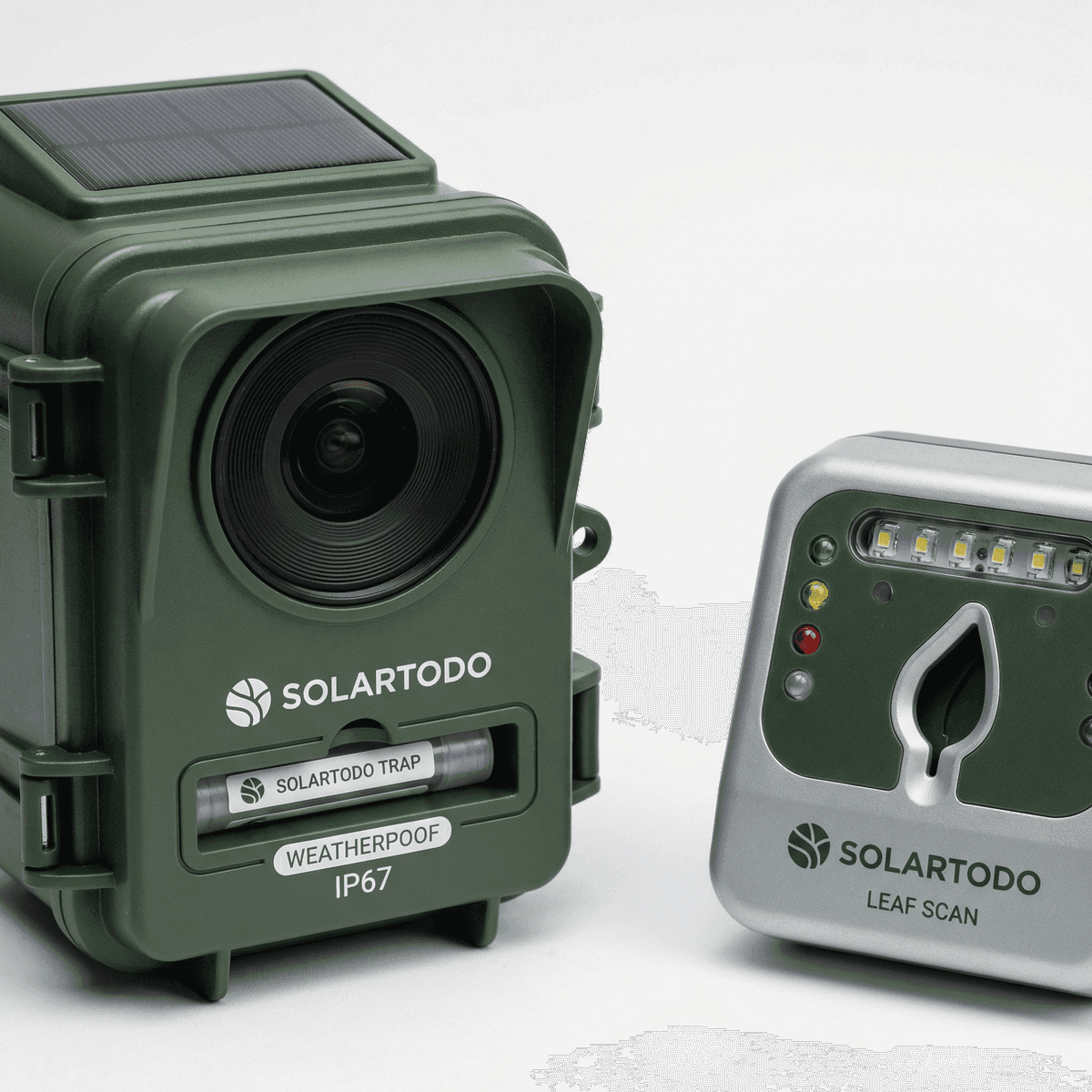 technical article
Smart Agriculture Monitoring Systems for Crop Fields
Smart agriculture monitoring systems cut manual field checks by 30-60%, transmit sensor data every 10 minutes across 5-15 km LoRaWAN links, and reduce irrigation-related labor hours by 20-40% when weather, soil, and control data are managed in one platform.
SOLARTODO Editorial Team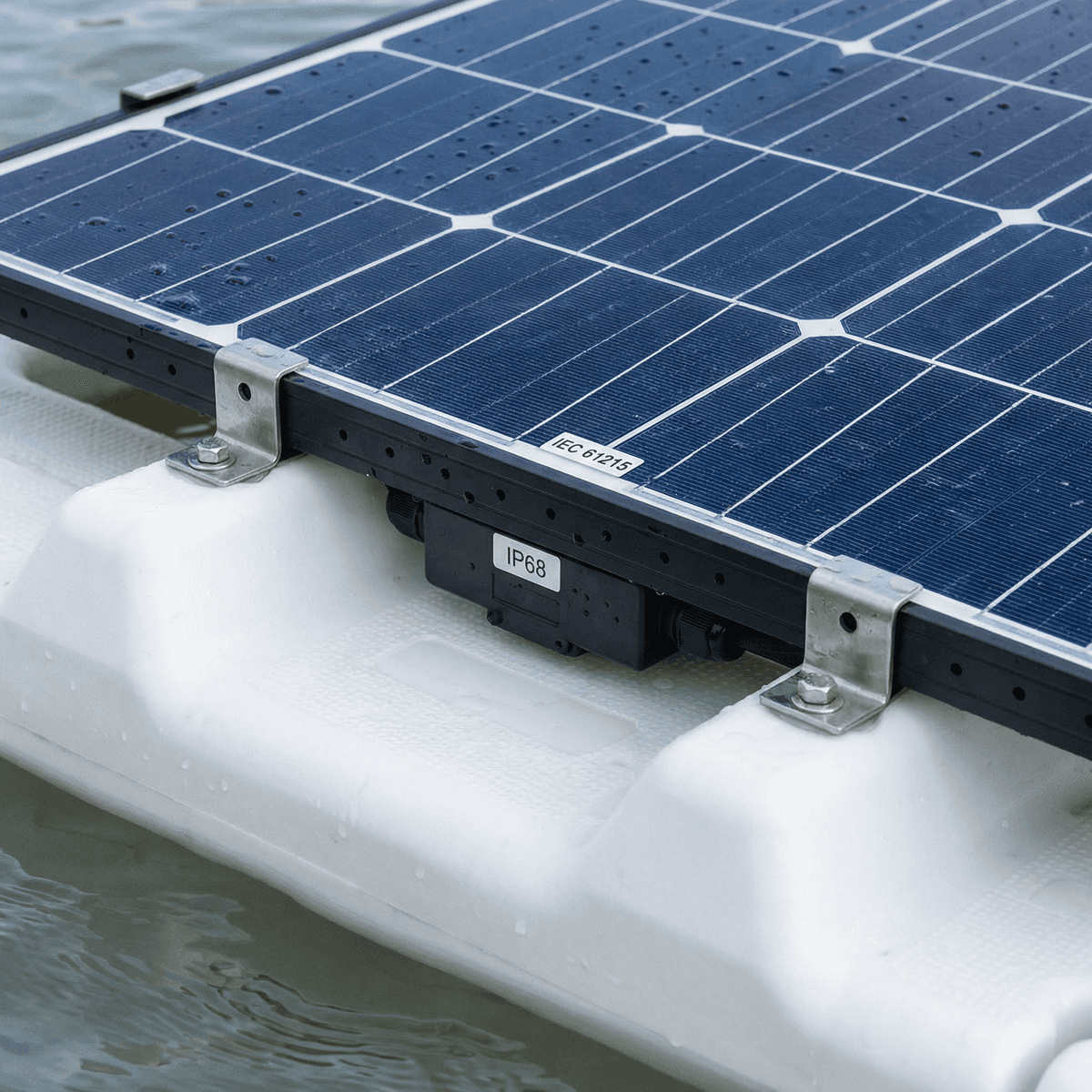 technical article
Bifacial Solar Panel Market Data 2026: Yield Gains &…
Bifacial solar panels delivered 5-15% higher energy yield by 2025, with optimized tracker sites reaching 20%+ gains. According to IEA, NREL, and Wood Mackenzie, adoption will keep rising through 2030 as module efficiency stays in the 22-24.5% range.
SOLARTODO Editorial Team