Industry Knowledge
Knowledge
Expert insights on clean energy, smart infrastructure, IoT, and industry trends
 technical article
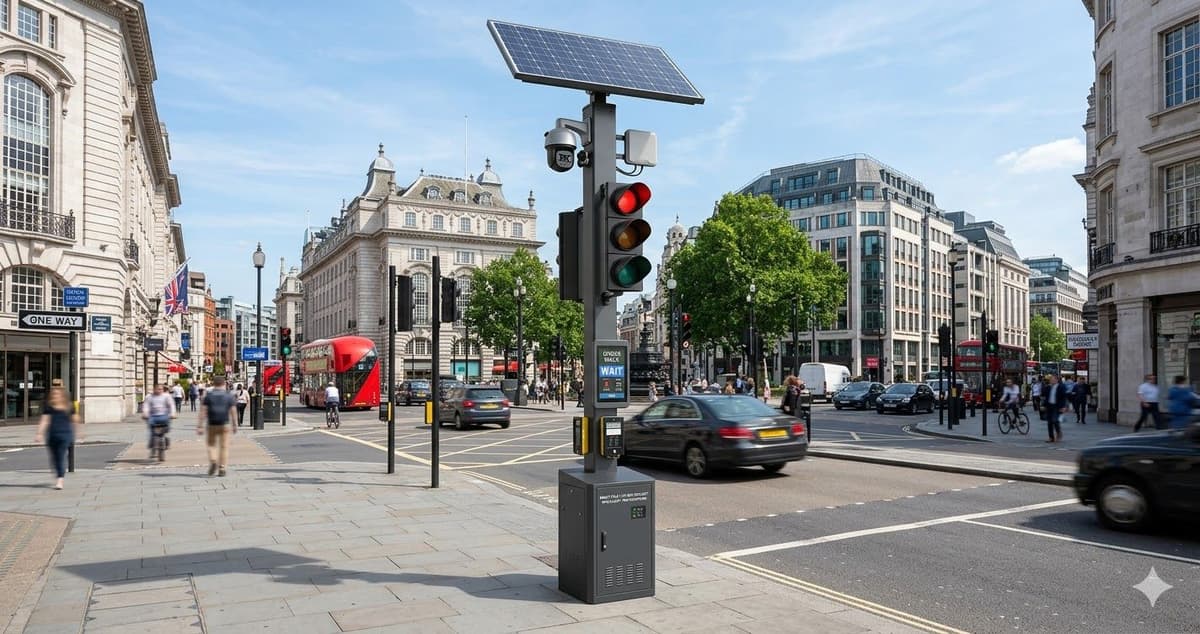
PPP vs BOT for Smart Traffic Infrastructure
PPP and BOT are the two dominant financing models for smart traffic infrastructure, but they shift risk, ownership, and cash flow differently: PPP programs often run 10-30 years, while BOT concessions typically recover capital in 15-25 years. For ITS projects, AI signals can cut travel time by 10-30% and green-wave coordination can reduce stops by 40%.
 SOLARTODO Editorial Team
 technical article
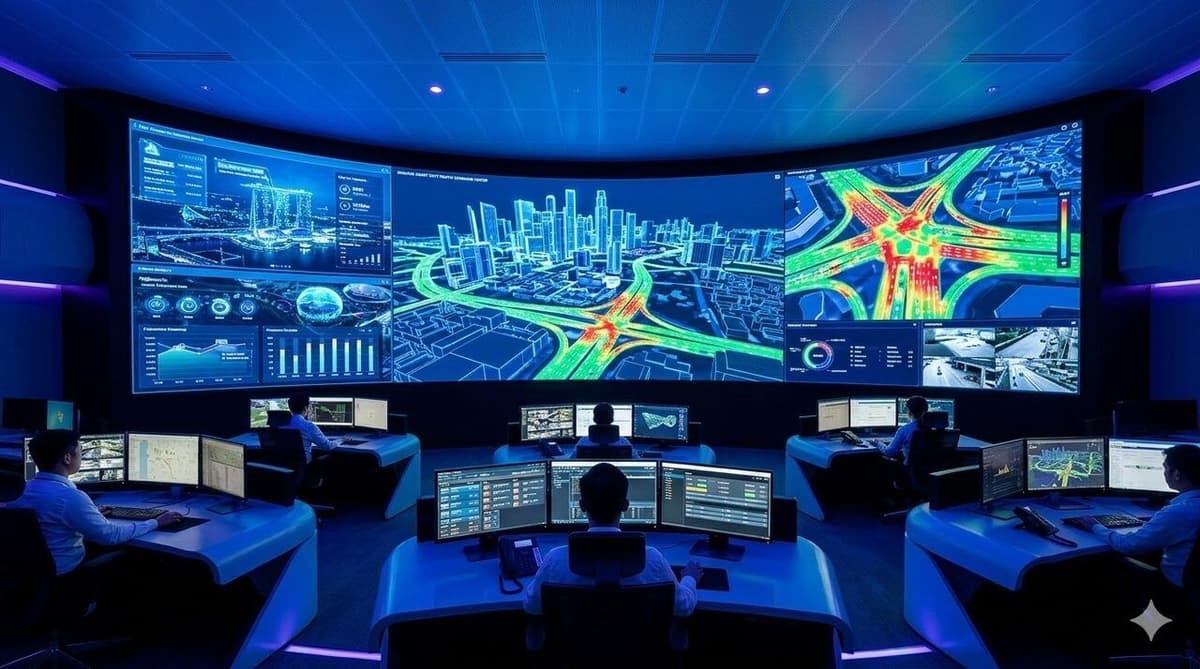
Middle East Smart Traffic Tender Requirements 2026
Middle East smart traffic tenders in 2026 typically require 98% ANPR accuracy, 24/7 uptime with LFP backup, and IEC/IEEE-compliant cybersecurity. Winning bids combine solar-ready poles, 320 km/h speed capture, and EPC delivery that cuts deployment to 9-18 months citywide.
SOLARTODO Editorial Team technical article
Power Transmission Towers Selection Guide
Conductor sizing and tower selection for substation connections must be engineered together: 10kV links often use 18m poles and 100m spans, 110kV routes use 35m poles and 250m spans, and 220kV double-circuit lines can require 40m poles with 300m spans.
SOLARTODO Editorial Team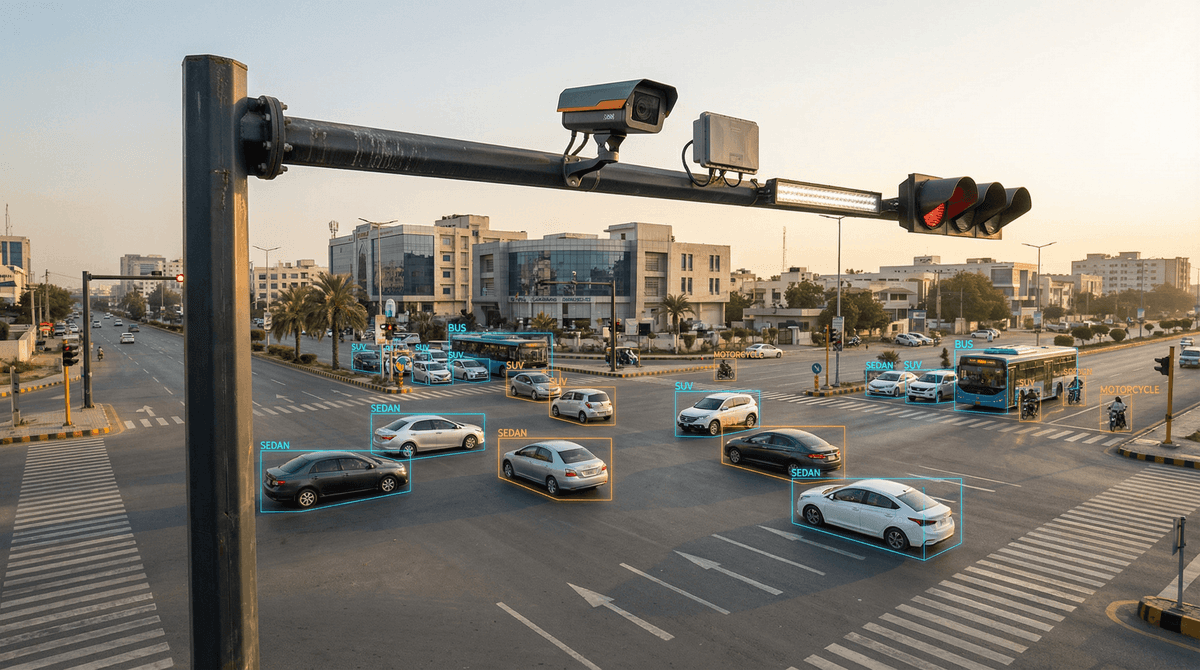 technical article
Blockchain Evidence Chain for Traffic Violations
Blockchain-secured evidence chains preserve every traffic enforcement step with tamper-evident logs, linking 98% plate recognition and 97.7% helmet detection to court-ready proof. In Greece, 8 cameras detected 29,000 violations within weeks, showing the need for scalable custody control.
SOLARTODO Editorial Team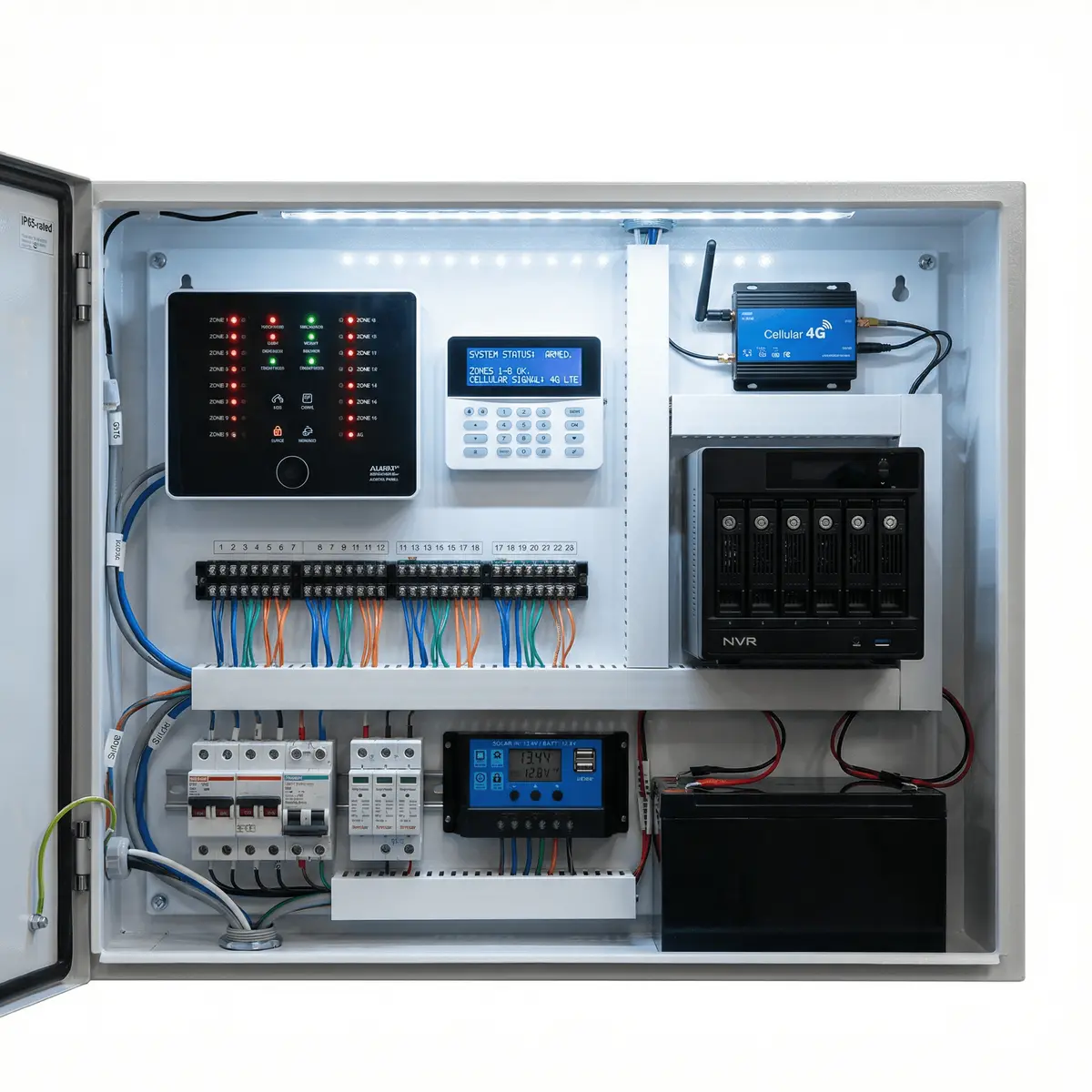 technical article
Solar LiDAR Security Systems: Storage & Performance
Advanced solar-powered security systems with LiDAR can protect 32-128 zones using 16-64 cameras, while 24-72 hours of battery storage improves uptime and can cut nuisance alarms by up to 90% in high-risk B2B sites.
SOLARTODO Editorial Team technical article
UHV Transmission Cost Analysis 2026 MEA
MEA UHV and HVDC interconnectors in 2026 typically cost $1.2-3.5 million/km, with converter stations at $180-450 million each. Bankable 1,000-3,000 MW projects usually target 8-15 year payback when utilization exceeds 55% and tariff spreads reach $15-40/MWh.
SOLARTODO Editorial Team